
Confronting Distressing Realities
The Difficulty Of Facing Up To The Truth

I was taught that we all have a moral duty to tell the truth and equally to remain silent if we’re hesitant about the facts. This particularly applies to those in positions of power who we rely on for unwavering honesty.
Sadly, we live in an age where the “truth about the truth” is hard to pin down and much harder to accept. We often imagine our own version of events to be the incontrovertible truth; sometimes it’s a matter of personal identity. Reality can feel almost life-threatening when it directly conflicts with our most passionately held dogmas. It’s in that space that journalists like John Pilger, Julian Assange and Chris Hedges stand as sentinels of integrity: they challenge us to confront the most disturbing elements about what it means to be human – particularly the violence and brutality we’re prepared to inflict on each other – while cautioning us not to be deceived by an incumbent political class hoping we remain blind to reality.
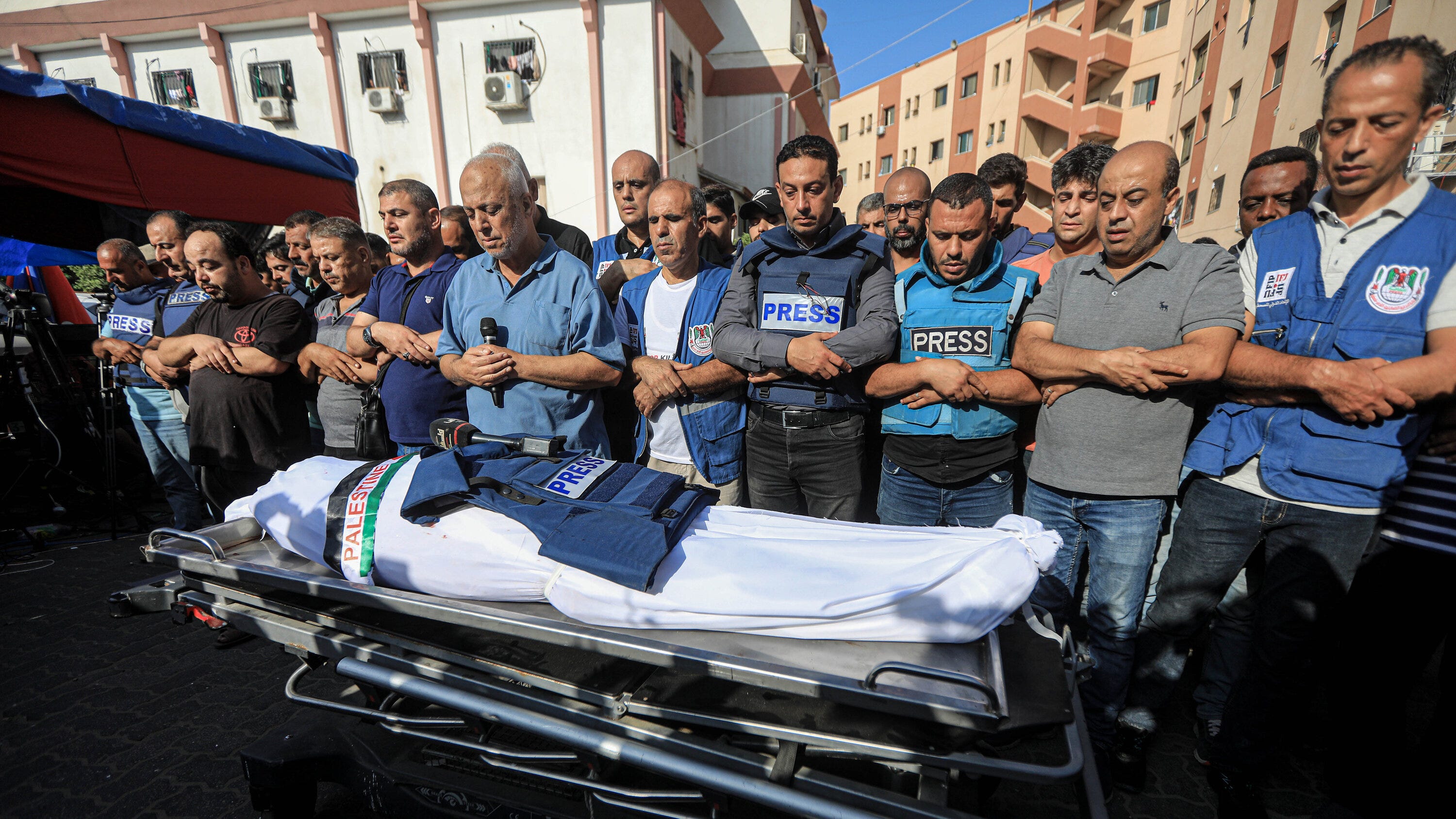
One such unsettling truth is that Israel’s leaders, supported by complicit Western media, have engaged in systematic deception to obscure their policies in Gaza, alongside a targeted campaign against journalists to prevent us knowing this truth. These claims have been validated by numerous objective informers, including respected Israeli sources. Even so, some of my readers find this impossible to accept. It’s more comforting to live a lie. And yet these claims represent the closest to the truth we’re likely to get in a time of conflict. We should not turn away, however painful facing this reality might be.
It’s vital to acknowledge the severity of the situation in Gaza. This is not a local issue; it’s a civilisational matter affecting the human family as a whole. But the humanitarian crisis there is not some emotive fiction contrived by Hamas and its supporters. Indisputable evidence has been unearthed and broadcast by trustworthy reporters, much of it captured on video. We have no option other than to engage with the available facts and testimonies.
Chris Hedges highlights one appalling statistic: at least 276 Palestinian journalists (along with others in the world’s press) have been killed since 7th October 2023. That’s more correspondents than were killed in all the wars of the past century! This intentional targeting of reporters is an attack on the very foundation of free speech and government transparency. Surely the international community must rally to investigate and hold accountable those who silence or harm war reporters? Surely organisations dedicated to press freedom are obligated to lead these efforts so that journalists can operate without fear and continue to shine a light on activities that those in power might prefer remain hidden? Without the truth, we’re nothing but vile brutes.
Western media’s culpability in perpetuating misleading stories also demands a response. Media outlets have a duty to remain fiercely independent, resisting any pressures from political and corporate interests. But we, too, have an obligation to cultivate a critical eye, interrogating our own biases and seeking diverse sources to form a well-rounded appreciation of what’s really going on.
Today, media literacy is not just a skill but a necessity. Recognising the geopolitical complications that underpin the Israeli-Palestinian conflict is crucial. Simplifying these things into binary storylines does a disservice to all involved. If we choose to engage deeply with these matters, as I believe we should and I have tried to do in my own research and writings, then it’s our responsibility to advocate for deeper dialogue, along with solutions that prioritise human rights and peace over division, blame, and relentless violence.
Technology, while often a double-edged sword, can be harnessed to promote both truth and accountability. Social media platforms, often justifiably criticised for spreading misinformation, can also be powerful tools for spreading awareness. By amplifying the voices of first-hand witnesses, we can challenge prevailing scripts and dogma while cultivating a deeper appreciation of this (and other) conflicts.
Ultimately, addressing Hedges’s accusations requires a commitment to integrity, empathy, and the relentless pursuit of truth. We must resist the temptation to take sides, instinctively and without question, and instead make every effort to achieve a comprehensive understanding that honours the lived experiences of all those affected by these atrocities. By doing so, we pave the way for a future where justice and peace can be achievable goals, not some distant futile dream.
Chris Hedges challenges us to confront distressing truths openly, without distortion, and with courage. In holding power to account, he is protecting journalistic freedom. For that he should be commended. Instead, he is accused of partisan conduct. We must face the dilemma that our personal opinions, our faiths and our traditions, no matter how “real” they feel, do not always equate to the truth.
Today, in many parts of our world, deception prevails over truth. That must not be allowed to endure.
Its not just the civilians as you so rightly point out but by targeting journalists and by keeping them out of gaza the Israelis have made it impossible for the world to know the truth. They suffer too because people will believe the worst and worst people only will believe the israeli government- the kind that don’t care about knowing the truth