

OPENING PREMISE
The next decade promises to be a transformative period for the luxury goods, apparel and fashion industries, shaped by a complex interplay of challenges and opportunities.
While this sector grapples with some unprecedented disruptions, it also stands on the brink of groundbreaking innovations that could redefine its future landscape. This brief essay delves into the future of the industry over the coming decade, highlighting the pivotal factors that are most likely to influence its trajectory, with a focus on the value of strategic partnerships, the impact of innovation, and the role of changing societal values. Uncertainty dogs this industry. The only dead cert is that humans will continue to clothe and feed themselves as their first priority.
DAUNTING CHALLENGES
1. Supply Chains
The industry’s reliance on intricate global supply chains makes it particularly vulnerable to any disruptions. With the likelihood that all manner of socio-economic, geopolitical and technological disturbances will continue to converge and accelerate in unpredictable ways, some severe impacts can be expected. These disruptions could pose a significant risk to the clothing and allied industries.
Delays in manufacturing and delivery can lead to lost sales and customer dissatisfaction, emphasizing the need for robust contingency planning and diversified sourcing strategies. The COVID-19 pandemic has shown how fragile supply chains can be, with factory shutdowns, shipping delays, and raw material shortages causing significant challenges. Companies must develop more resilient supply chains by investing in local production, diversifying their supplier base, and adopting digital tools for better visibility and management.
2. Rules & Regulations
As sustainability becomes a central concern, regulatory landscapes will rapidly evolve. All companies will need to be able to navigate stringent regulations, especially those focused on environmental impact. Non-compliance, and cases of 'greenwashing' and 'greenhushing' are likely to be dealt with severely by regulatory agencies already stung by criticisms of inadequacy in this space.
Many law firms are gearing up for a more noticeable role in bringing errant corporations to heel. Hefty penalties are likely, while reputational damage is assured. This should encourage firms to adopt proactive compliance measures and transparent practices sooner rather than later. The next iteration of the ESG agenda is waiting in the wings and it will not be pretty for companies that decline to measure up.
Governments worldwide are implementing stricter environmental laws, such as carbon emissions targets and waste management requirements, already forcing companies to rethink routine operations. But there are already signs that new laws, like ecocide for example, will go beyond anything we have in place today. Brands that fail to comply will risk not only financial penalties but the loss of consumer trust, which can be devastating in an age where brand reputation is closely tied to social and environmental responsibility.
3.Economics
Capitalism in its current state is not working for a variety of reasons. This is generally recognised bt a new generation of economists. Although there are still many uncertainties concerning the global economy, some factors we know to be faltering will be forced to change. The water cycle is a good example of this. By 2030 the world's demand for potable water is likely to exceed supply by nearly 40%. In these kind of conditions, moving to an economy that puts less strain on nature will become increasingly essential.
Transitioning to circular economy practices and integrating advanced technologies like AI and blockchain require substantial capital investments. These high upfront costs, while undoubtedly challenging, are vital for long-term sustainability and competitiveness. Balancing these investments with short-term profitability will be a critical 'future-proofing' task for successful brands. The shift towards a circular economy, which emphasizes reducing waste and reusing materials, is not only a response to regulatory pressures but also a strategic move to meet consumer demand for sustainable products. However, the initial costs of adopting these practices, such as setting up recycling programs and redesigning products for durability and recyclability as well as comfort, can strain financial resources.
4. Strategic Navigation
The apparel market and the fashion industry more generally is subject to unpredictable shifts driven by changing consumer preferences and economic instability. Adapting swiftly to these fluctuations will be crucial. Companies must leverage data analytics to anticipate trends, monitor social undercurrents, and adjust their strategies accordingly, ensuring they remain responsive to market dynamics.
Economic downturns, like those seen during the global financial crisis of 2008-2009, and more recently during the Covid-19 pandemic, can severely impact discretionary consumer spending in the short-term. But another pandemic, which is inevitable, or a sudden large-scale geo-political event of some kind, which is more and more likely, could actually be a tipping point in terms of the clothing industry, and particularly the manufacture of luxury items.
Companies must be agile. Predictive analytics and market intelligence that allows a company to quickly adapt to new consumer behaviours, whether it's a shift towards casual wear, increased demand for athleisure, or a preference for sustainable and ethically produced clothing, is a must. But also having a strategic "Plan B" would seem to be wise.
5. Workforce Adaptation
Obviously, integrating new technologies and sustainable practices necessitates significant upskilling of the workforce. Continuous change navigation initiatives, coupled with continuous training and development, will be essential to equip employees with the skills needed to thrive in an evolving industry landscape. This will also apply to fresh talent brought into the enterprise. As Paul Polman, the ex-CEO of Unilever Group said upon his departure: "The knowledge and experience that equipped me for the top job yesterday, is precisely the same knowledge and experience that disqualifies me from knowing what to do today."
The introduction of AI for design and inventory management, blockchain for supply chain transparency, and automation in manufacturing requires a workforce not only technically proficient but also adaptable to continuous change. Investing in employee advancement programs, fostering a culture of foresight and innovation, and ensuring clarity of messaging in conditions where conflicting management styles are needed, will be vital for companies to successfully navigate these technological shifts.
EMBRACING OPPORTUNITIES
1. The Circular Economy
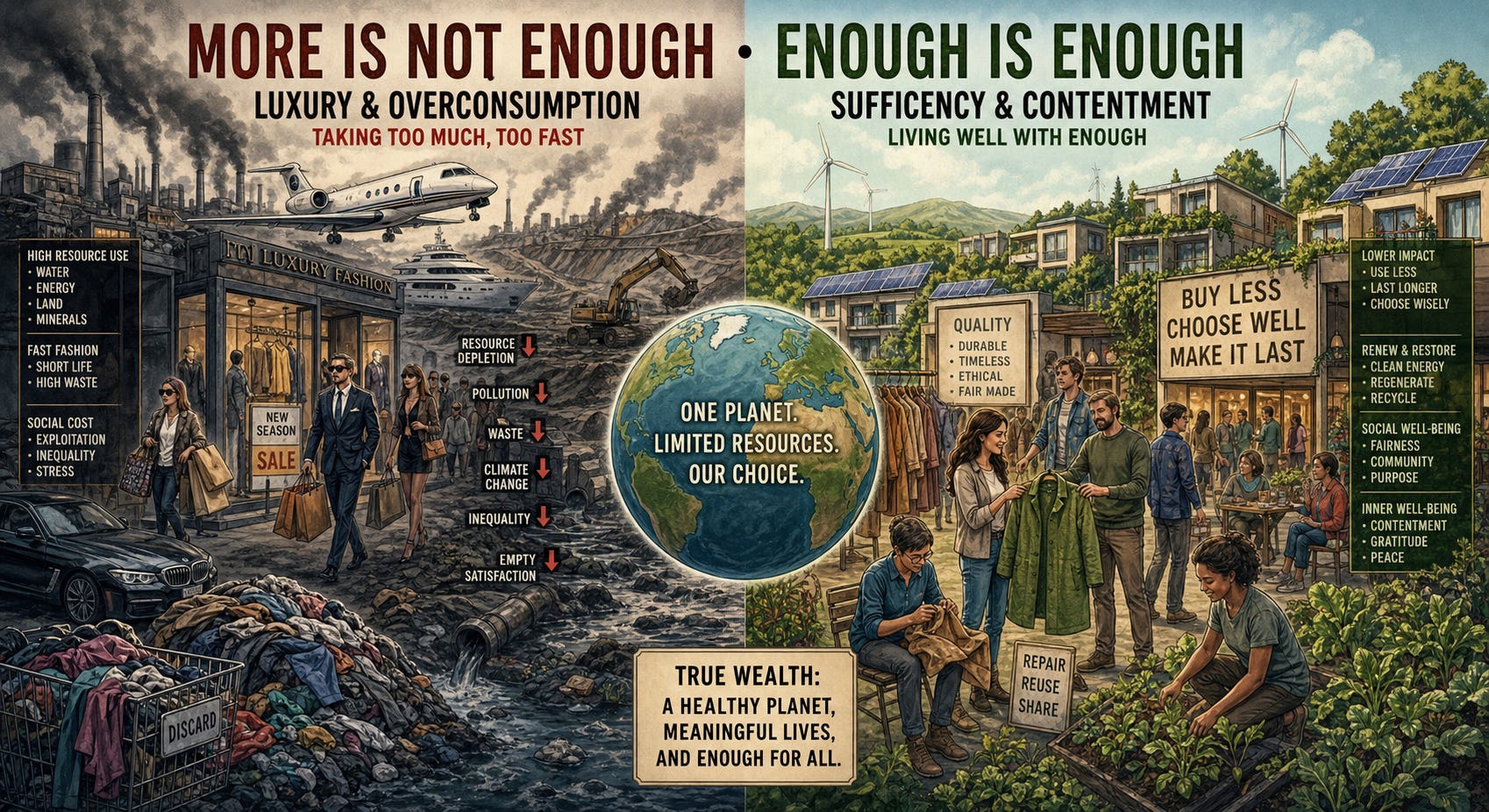
Life in the apparel industry is not all doom and gloom of course. One of the most promising opportunities lies in establishing closed-loop systems, sustainable practices, and virtuous investments, in cooperation with others in the broader business ecosystem. This approach can drive efficiencies and reduce waste, but also aligns with the growing consumer demand for eco-friendly products.
Apparel companies that lead in 'sustainability' can capture significant market share and enhance their brand reputation. The rise of the circular economy offers a blueprint for the future of fashion, where products are designed with their end-of-life in mind, materials are recycled, and waste is minimized. Brands that pioneer these practices can differentiate themselves in a crowded market, attract eco-conscious consumers, and potentially reduce costs through greater resource efficiency.
2. Technology
The integration of AI and blockchain technologies offers a competitive edge by streamlining operations, personalizing offerings, and enhancing supply chain transparency. These technologies enable data-driven decision-making and build trust with stakeholders, positioning companies as industry innovators. AI can help predict fashion trends, optimize inventory management, and personalize marketing efforts, while blockchain can ensure transparency and traceability in the supply chain, addressing consumer concerns about ethical sourcing and authenticity. Embracing these technologies can lead to increased efficiency, reduced costs, and a stronger connection with consumers who value transparency and personalization.
3. Community-centric Business Models
Strengthening connections with local communities through tailored programs and ethical sourcing can build brand loyalty and trust. Investing in the communities where companies operate provides valuable insights and fosters a sense of corporate responsibility, contributing to long-term success.
Naturally, local community engagement can take many forms, from supporting local artisans and suppliers to implementing fair labour practices and contributing to local economic development. By doing so, companies can build a loyalty in a customer base that values the brand’s commitment to ethical practices and social responsibilities.
4. Customizable Products
Offering personalized products that cater to individual preferences is a burgeoning opportunity. By leveraging AI and advanced manufacturing techniques, apparel companies can create unique, tailored offerings that command higher margins and boost customer satisfaction.
The trend towards customization reflects a broader shift towards individualism and self-expression in fashion. Brands that can efficiently produce customized or personally-tailored items, whether through on-demand manufacturing or using digital platforms to offer bespoke options, will be able to meet this growing demand and differentiate themselves from mass-market competitors.
5. Materials Innovation
Additionally, investing in the research and development of new and sustainable materials is crucial. This is a significant brand differentiator that will go a long way to meeting eco-conscious consumer demands. Companies that pioneer the use of innovative, low-impact materials can establish themselves as leaders in sustainable fashion, attracting a loyal customer base committed to environmental stewardship.
Advances in materials science, such as bio-based fabrics, recycled fibers, and innovative textiles that require less water and energy to produce, are opening new avenues for sustainable fashion. Recent breakthroughs in artificial fabrics at Johns Hopkins University, for example, will lead to wearable technologies that heat or cool clothes and embed medical sensors in the garment. Brands that invest in these developments can not only reduce their environmental footprint and appeal to consumers who prioritize sustainability in their purchasing decisions, but can be on the front foot in terms of next generation fashion where comfort meets style meets real-time data.
6. Partnerships
Strategic partnerships will undoubtedly play a critical role in leveraging these opportunities and addressing the various challenges mentioned above. Collaborating with technology companies and buying statrtups that are advancing unique algorithms, can accelerate the adoption of AI and blockchain, providing apparel brands with the expertise and tools needed to implement these innovations effectively.
Partnerships with material science firms can drive the evolution of new ecological fabrics. Collaboration with local artisans and communities can enhance ethical sourcing and community engagement efforts. By forming alliances with research institutions and sustainability-focused organizations, apparel companies can stay ahead of regulatory changes and lead in sustainable practices.
For example, a partnership with a leading AI company could enable an apparel brand to harness advanced data analytics for trend forecasting and inventory management, reducing waste and improving profitability. Collaborating with blockchain firms could enhance supply chain transparency, building consumer trust and ensuring compliance with ethical sourcing standards. Working with sustainability experts can help develop and implement closed-loop systems, reducing environmental impact and aligning with consumer demand for eco-friendly products.
THE WAY AHEAD
Human will always wear clothes of course. But the apparel industry is approaching a crossroads. It faces formidable challenges, yet exciting opportunities. Companies must strategically prioritize transformative opportunities while mitigating risks. Bold decision-making, strategic foresight, virtuous investments, and a commitment to entrepreneurship and targeted innovation will be key to navigating this landscape.
To be honest the greatest threat is senior executives with a wealth of experience truly believing that they have every event covered - but slip so easily into ignoring or discounting the seriousness of some trends rather than finding ways to learn and adapt to them.
By embracing circular economy practices, leveraging advanced technologies, engaging with communities, offering customizable products, and pioneering sustainable materials, the apparel industry can position itself for long-term success. The next decade will undoubtedly be one of profound change, but with strategic foresight and adaptability, the apparel sector can turn these challenges into opportunities for growth and competitive advantage.